Hydrotec Blanco RPD-116: Primer Coating for Wood with High Adhesion and Moisture Resistance
Hydrotec Blanco RPD-116 is a high-performance water-based coating engineered specifically as a primer or base coat for fiberboard substrates, including MDF, HDF, and other lignocellulosic derivatives. Its technical formulation is designed to create a smooth, highly leveled, and dimensionally stable surface optimized for demanding flexographic printing processes. Upon application, this primer effectively seals the substrate's pores, drastically reduces fiber lifting, and provides an exceptional barrier against environmental moisture. It is the definitive solution for industrial converters and printers seeking premium finishes with crisp text, clean solids, and flawless performance in environments with fluctuating humidity.
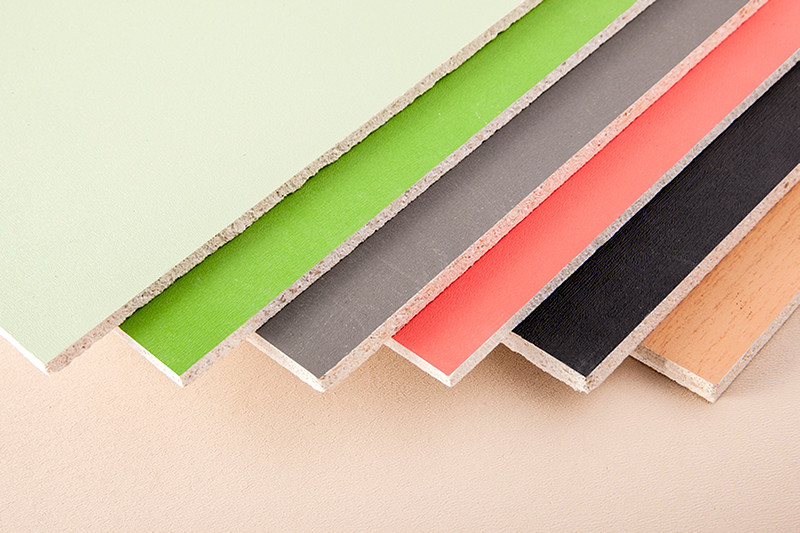
- Excellent Substrate Anchorage: Provides superior adhesion on MDF, HDF, and technical wood veneers, virtually eliminating the risk of coating detachment during high-speed printing and mechanical post-processing.
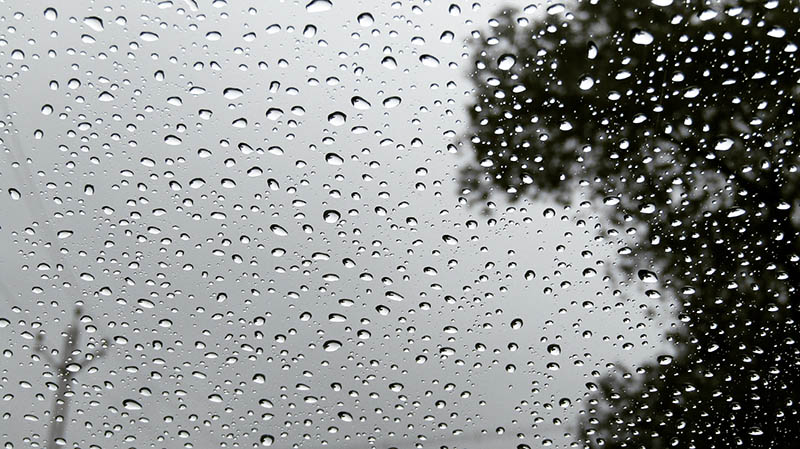
- High Moisture Resistance: Significantly lowers water absorption and surface swelling of the wood, maintaining the substrate's flatness and preserving print quality even under humid conditions.
- Superior Leveling and Pore Sealing: Minimizes common printing defects such as mottle, halos, and banding. It enhances flexographic dot definition and ensures perfectly uniform color coverage.
- Production Line Versatility: Fully compatible with both water-based and UV flexographic inks through controlled wetting and surface tension properties. It is highly processable via roller, curtain, or spray application methods.
- Sustainable and Eco-Friendly Profile: Its water-based formulation guarantees low VOC (Volatile Organic Compounds) emissions, aligning with clean production standards and facilitating the creation of recyclable structures.
| Technical Parameter | Specification / Description |
|---|---|
| Product Type | Water-based primer coating |
| Recommended Substrates | Fiberboard (MDF, HDF), technical veneers, and derivatives |
| Application Methods | Roller, curtain, spray, and anilox systems |
| Ink Compatibility | Flexographic Inks (Water-based and UV curable) |
| Substrate Preparation | Fine sanding (240–320 grit) is recommended for optimal leveling |
| Recommended Layer Sequence | RPD-116 Primer > Light sanding (optional) > Flexo Inks > Protective Topcoat |
| Critical Performance Tests | Cross-hatch adhesion, rub/abrasion resistance, blocking test |
| Environmental Stability | Withstands 50% to 85% RH (Relative Humidity) cycles and thermal variations (ΔE*00 verification) |
- Recommended Applications: Ideal for manufacturing printed furniture and decorative elements (panels, cabinet fronts), premium wooden packaging or casing, and POS displays/signage exposed to variable humidity levels.
- Machine Setup and Handling: Prior to production runs, it is critical to adjust viscosity and surface tension according to the application method to prevent orange peel effects and cratering. Solid coat weights must be precisely dimensioned to seal the pores without overloading, which could lead to cracking or blocking.
- Post-Processing Adjustments: For subsequent stages such as cutting, milling, drilling, and assembly, the Coefficient of Friction (COF) must be carefully controlled to ensure smooth passage through automated lines and safe stacking.
- Validation and Quality Control: Final product conformity depends on the synergy of the entire system (substrate + primer + inks + topcoat). Pre-industrial trials are highly recommended to validate wetting, density curves, and dot gain on the specific substrate.